

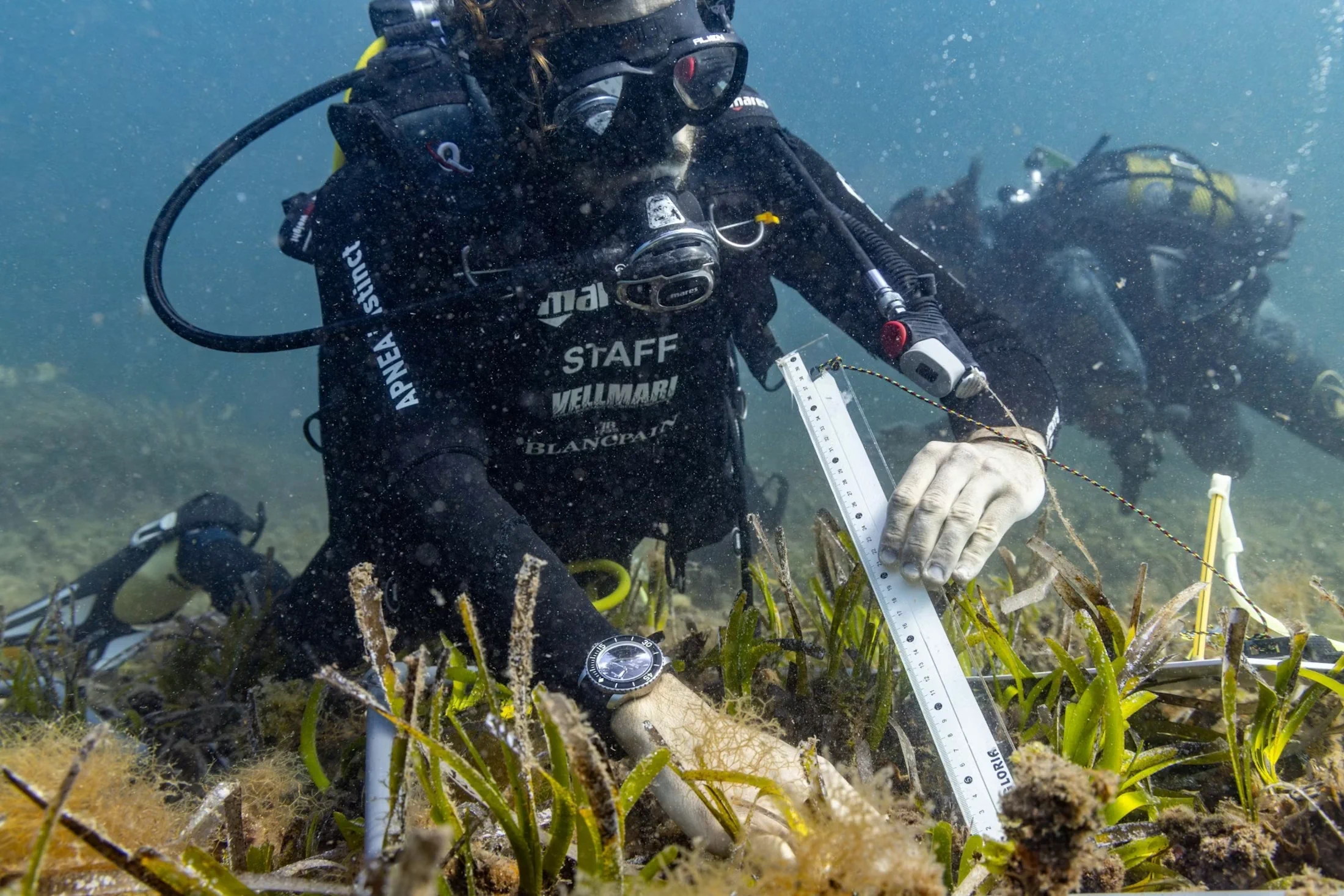
MSC Foundation has put new attention on Posidonia oceanica, the seagrass that plays a major role in the health of the Mediterranean Sea.
The Foundation’s is working with Asociacion Vellmari on Shallow Bays of the Mediterranean, a program focused on restoring Posidonia seagrass meadows. For MSC cruisers, this is not an itinerary change or a new onboard feature. It is part of MSC’s broader conservation story, and it helps explain why the company keeps linking its brand to marine restoration projects in places where cruise guests also experience the sea.
What Posidonia Is And Why It Matters
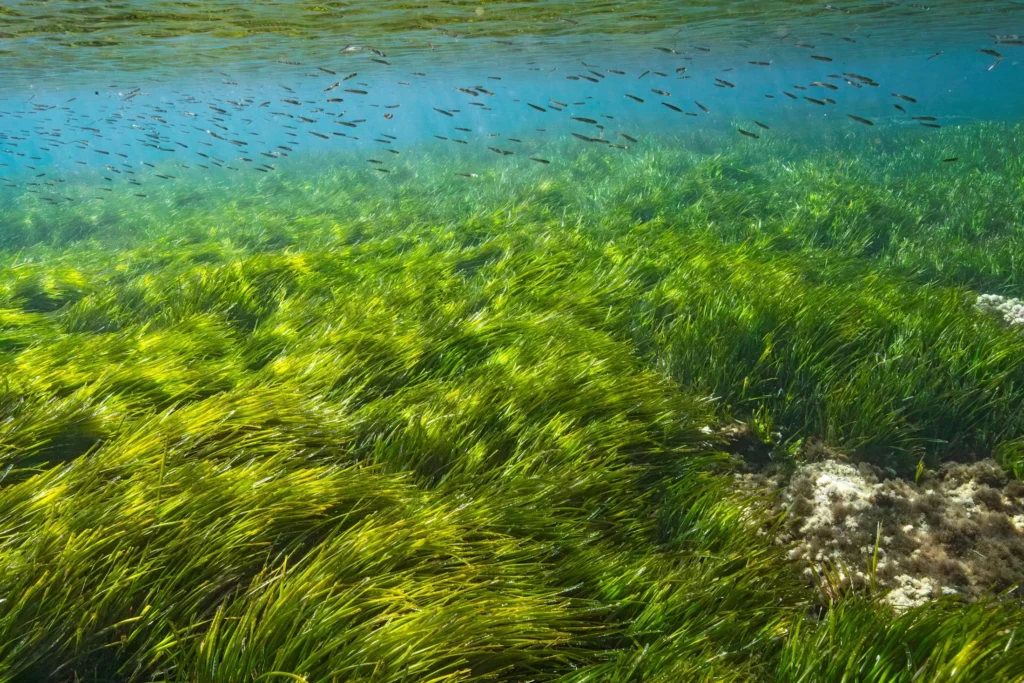
Posidonia oceanica is a native Mediterranean seagrass. It is not seaweed. It grows in underwater meadows that support marine life, help stabilize coastlines, and store carbon.
For travelers, that may sound distant from the day-to-day cruise experience. But healthy seagrass habitats are part of what keeps Mediterranean coastal waters clear, biodiverse, and resilient. They help create the underwater ecosystems that many cruisers encounter through beaches, boat tours, snorkeling stops, and coastal excursions.
The MSC Foundation source says these ecosystems are under pressure from coastal development, pollution, anchoring, and warming seas. That makes restoration work slow, local, and highly dependent on careful monitoring.
What The MSC Foundation And Vellmari Are Doing
The program brings MSC Foundation together with Asociacion Vellmari, a marine conservation organization based in the Balearic Islands. The work focuses on protecting and restoring Posidonia meadows around Formentera and Ibiza.
According to MSC Foundation, the effort includes nursery work, diver-supported restoration, mapping, and community education. The program is also designed to involve young people, local stakeholders, and visitors, not just scientists.
That education piece matters. Seagrass restoration is not only about planting. It also depends on reducing the damage that comes from anchoring, pollution, careless coastal use, and lack of public awareness.
Why This Fits MSC’s Wider Conservation Strategy
This is not MSC Foundation’s only marine project. MSCCruiseFan readers may already recognize the Foundation from Ocean Cay MSC Marine Reserve, where MSC has tied its private-island story to coral restoration, marine education, and conservation partnerships.
The Mediterranean seagrass program is different because it is not centered on Ocean Cay or a single cruise destination marketed to North American guests. It is more of a regional conservation story connected to MSC’s European roots and broader marine-protection work.
That distinction is important. Cruisers should not read this as a new excursion, a new ship feature, or a change to MSC’s Mediterranean itineraries. It is better understood as part of MSC Foundation’s environmental portfolio.
What MSC Cruisers Should Take From This
For most guests, the practical takeaway is awareness. If you are sailing in the Mediterranean, Posidonia meadows may be part of the coastal environment around beach stops and island calls, even when they are not obvious from the ship.
The work also reinforces a useful planning point: marine destinations are not interchangeable backdrops. The beaches, coves, reefs, and coastal waters that cruise guests enjoy often depend on fragile local ecosystems.
If your MSC cruise includes Mediterranean beach time, small-boat tours, or snorkeling, simple choices can help reduce damage:
- Follow local rules about protected areas and swim zones.
- Avoid disturbing seagrass beds, coral, or marine life.
- Use reef-safe habits when snorkeling or swimming.
- Choose operators that explain where boats can anchor safely.
- Treat conservation messaging at destinations as practical guidance, not background noise.
The Bottom Line
MSC Foundation’s work with Asociacion Vellmari is another sign that MSC is using its Foundation to connect cruise-industry visibility with marine conservation projects. For readers, the story is less about a change to a specific sailing and more about understanding the environmental work attached to the MSC name.
