

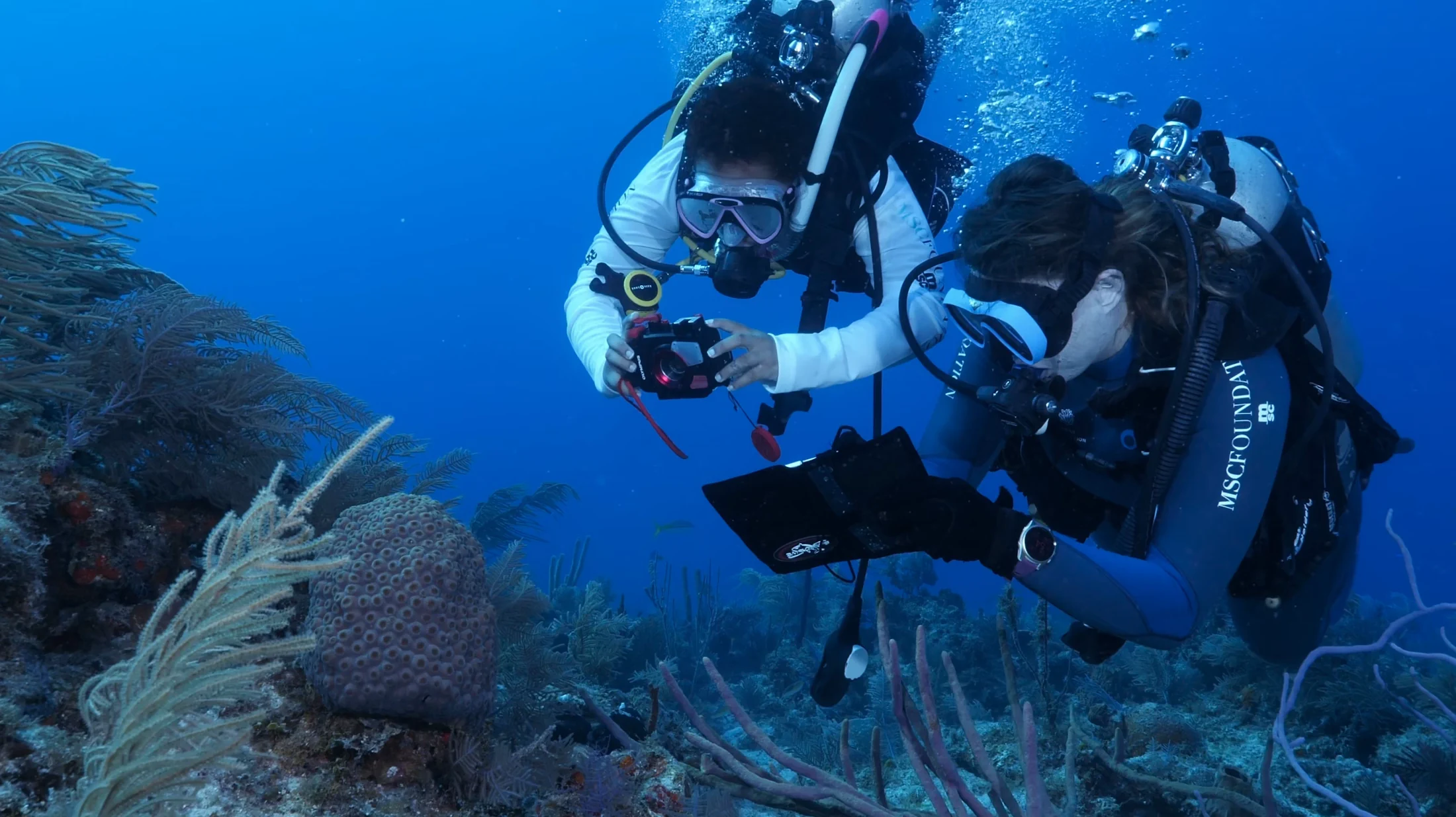
MSC Foundation is pointing cruisers back to the bigger reason Ocean Cay matters: coral reefs in the wider Western Atlantic are still under heavy pressure, but targeted restoration can help reefs recover when it is paired with long-term protection.
The foundation announced on August 31, 2026 that it supported a landmark regional coral reef report from the Global Coral Reef Monitoring Network, the International Coral Reef Initiative and partners. The report found a sharp decline in hard coral cover across the Western Atlantic, while also highlighting that recovery is still possible where conservation work is sustained.
For MSC cruisers, the news is not about a new beach, bar or excursion. It is about the conservation work behind Ocean Cay MSC Marine Reserve, and why the island’s Marine Conservation Centre and coral restoration program matter beyond the day guests spend ashore.
What MSC Announced
The August 31 release says the MSC Foundation supported a new report on the status and trends of Western Atlantic coral reefs. The report covers reefs across a large region that includes areas connected to the Caribbean and the Bahamas, where many MSC cruisers sail.
According to the MSC release, the report shows that hard coral cover has declined substantially over recent decades. MSC frames the main takeaway carefully: reef loss is serious, but recovery remains possible if restoration, monitoring and protection continue.
That matters for Ocean Cay because MSC has positioned the island as more than a private beach stop. The company and foundation have repeatedly tied Ocean Cay to marine restoration, coral propagation, research partnerships and education.
Why This Matters For Ocean Cay
Ocean Cay is a popular stop because it is easy, beach-focused and close to the ship. But the island is also one of MSC’s most visible conservation projects. The former industrial sand extraction site was redeveloped into Ocean Cay MSC Marine Reserve, and MSC Foundation programs now use the area for coral restoration and marine research.
This new report gives broader context to that work. It does not say that one island can fix regional reef decline. It does suggest that local protection and science-led restoration are part of the larger answer.
For readers planning a Bahamas or Caribbean itinerary, the practical takeaway is simple: Ocean Cay’s conservation story is not just marketing language. It is connected to documented regional reef stress and to active restoration work near the island.
How This Is Different From The Elkhorn Coral Story
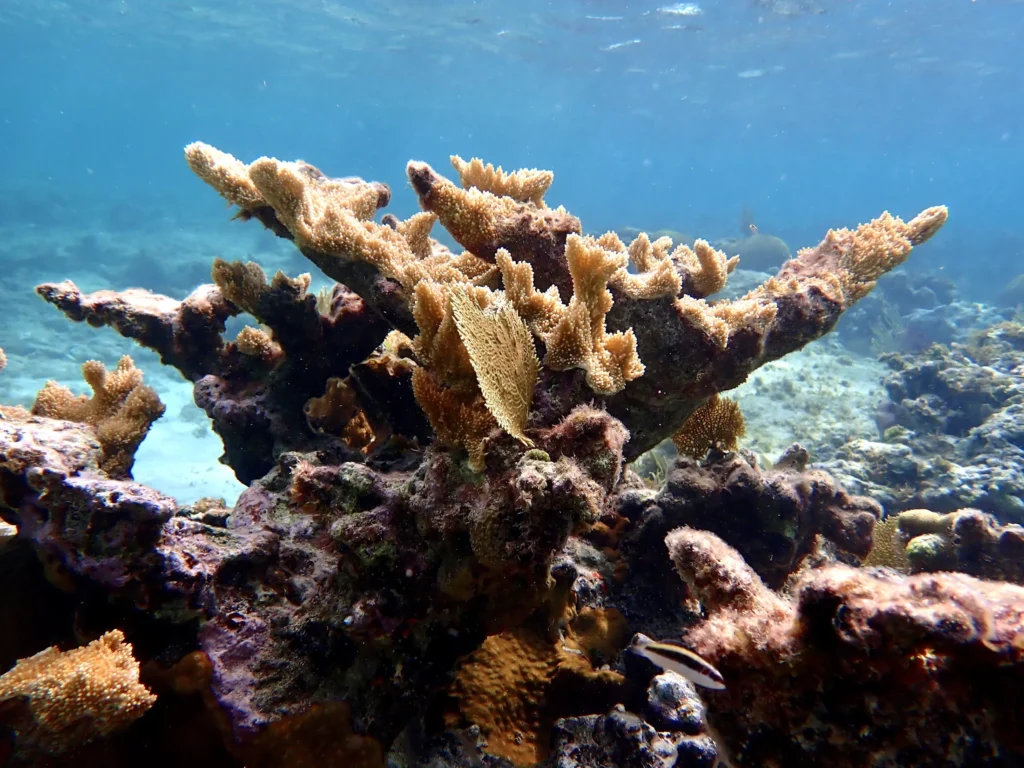
We recently covered MSC Foundation’s August 18, 2026 update about new elkhorn coral outplanting near Browns Cay reefs. That story was a specific restoration milestone: nursery-grown, critically endangered elkhorn corals were planted near Ocean Cay.
The new August 31 item is broader. It is about a regional hard-coral-cover report and the conditions that make recovery possible. The two stories are related, but they answer different reader questions.
The earlier elkhorn article explains what MSC Foundation did in the water near Ocean Cay. This report story explains why that kind of work matters in the wider Western Atlantic reef picture.
What Cruisers Should Know Before Visiting
Nothing in this release changes the normal guest experience at Ocean Cay. Beaches, food, bars, island transportation and evening activities should still be checked against the current sailing information in the MSC for Me app and onboard schedule.
What it may change is how guests think about the island. Ocean Cay is still a beach day, but it is also a place where MSC is trying to connect cruise tourism with marine restoration.
If conservation is part of why you choose certain ports or excursions, watch for onboard and island information about the Marine Conservation Centre, coral restoration and MSC Foundation programming. Availability can vary by sailing, and not every conservation activity is automatically part of a regular port day.
The Bottom Line
The August 31 report is a reminder that Ocean Cay sits inside a much larger reef-conservation story. Hard coral decline in the Western Atlantic is a serious problem, but MSC Foundation’s message is that recovery is still possible when monitoring, restoration and protection are sustained.
For MSC cruisers, the most useful angle is context. Ocean Cay is not only a convenient private-island stop. It is also MSC’s most visible marine conservation project, and this new report helps explain why the work continues.
