

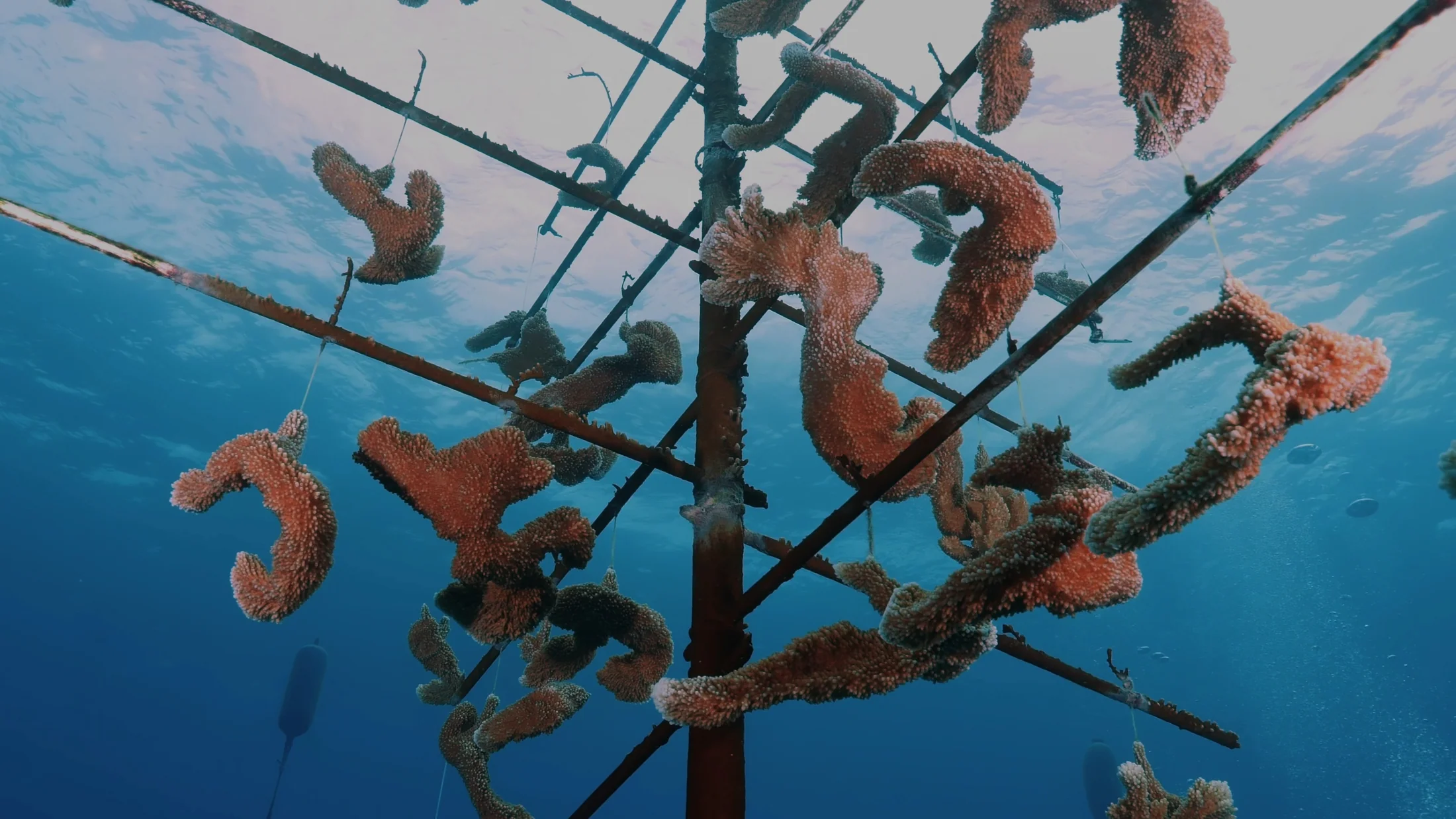
MSC Foundation has completed another coral-restoration step in The Bahamas, planting 32 nursery-grown elkhorn coral fragments on a reef near Browns Cay. The August 18, 2026 announcement matters for MSC cruisers because Browns Cay is near Ocean Cay MSC Marine Reserve, the private island many U.S. and Caribbean itineraries visit.
The new planting brings the foundation’s Super Coral Reefs Programme total to 285 planted corals. MSC Foundation is also holding additional coral fragments in underwater nurseries for now because scientists expect elevated heat stress in the northern Caribbean later this summer.
For guests, this is not a new beach, excursion, or itinerary change. It is a conservation update tied to the waters around Ocean Cay. Still, it helps explain why MSC continues to describe Ocean Cay as a marine reserve rather than only a private beach destination.
What MSC Announced
MSC Foundation planted 32 nursery-grown elkhorn coral fragments on a reef near Browns Cay in The Bahamas.
Elkhorn coral, officially Acropora palmata, is one of the Caribbean’s important reef-building corals. MSC says the species is critically endangered and has suffered major population losses across the Caribbean since the 1980s.
The foundation is not planting every available coral fragment immediately. Because high ocean temperatures are expected later this summer, additional fragments are being kept in underwater nurseries until conditions are more favorable.
The Browns Cay site was selected after reef surveys and biodiversity assessments found suitable conditions for outplanting.
Why This Matters for Ocean Cay Visitors
Ocean Cay is already one of MSC Cruises’ most important North American destinations. Many guests know it for beaches, the lighthouse, bars, food, cabanas, and excursions. The conservation side is easier to miss if your day is mostly about relaxing on the sand.
This update is a reminder that the island’s marine-reserve identity is active, not just branding. The coral work is part of the broader effort to restore and study reef habitat around Ocean Cay and nearby Bahamian waters.
That does not mean guests should expect a visible change during a port day. Coral restoration happens underwater, and the newest outplanting is near Browns Cay, not at a guest beach. The practical takeaway is context: when MSC talks about Ocean Cay’s marine environment, there is a real restoration program behind it.
What Is Elkhorn Coral?
Elkhorn coral is a branching coral species native to the Caribbean. Its structure can help build reef habitat, protect coastlines, and support fish and invertebrates.
MSC says elkhorn coral is critically endangered. Reports point to a 97 percent population loss across the Caribbean since the 1980s, with the 2023-24 marine heat wave causing severe damage in many locations.
That makes survival and heat tolerance important. MSC says the corals being grown and planted around Ocean Cay were sourced from colonies that showed natural tolerance to heat stress and survived the 2023-24 heat wave.
Why MSC Paused Some Coral Planting
The foundation planted 32 coral fragments, but it is keeping more fragments in nurseries because warmer water can put coral under major stress.
Heat stress can lead to coral bleaching. In simple terms, corals can expel the algae that help feed them and give them color. When that happens, corals become weaker and more vulnerable to disease and death.
MSC quoted Emeline Bouchet, Marine Programme Manager at the Ocean Cay Marine Conservation Centre, saying NOAA Coral Reef Watch’s July outlook predicted level 2 bleaching conditions for the northern Bahamas into September.
The cautious approach is important. Planting more coral is not automatically better if conditions make survival less likely. Holding some fragments in nurseries gives the team more control while temperatures are high.
How MSC Will Monitor the Reefs
MSC says marine scientists will monitor reefs around Ocean Cay monthly to track the health and resilience of planted and natural corals.
The team is also using photogrammetry to create 3-D models of coral growth and health over time. That kind of monitoring matters because restoration is only useful if scientists can track whether the coral survives, grows, and contributes to the reef ecosystem.
The next planned step is to resume outplanting after the marine heat wave passes and replenish the nursery with new coral fragments.
What This Means for Your Cruise
There is no indication from the August 18 announcement that Ocean Cay guest operations, beach access, or excursions are changing because of this coral work.
If your itinerary includes Ocean Cay, the update is mostly background that helps you understand the marine reserve. It may also make snorkeling and conservation-focused excursions more meaningful, especially for guests who want to connect a beach day with the island’s restoration story.
As always with private-island calls, weather and marine conditions can affect the day. But this release is about reef restoration and heat-stress planning, not a schedule change.
