

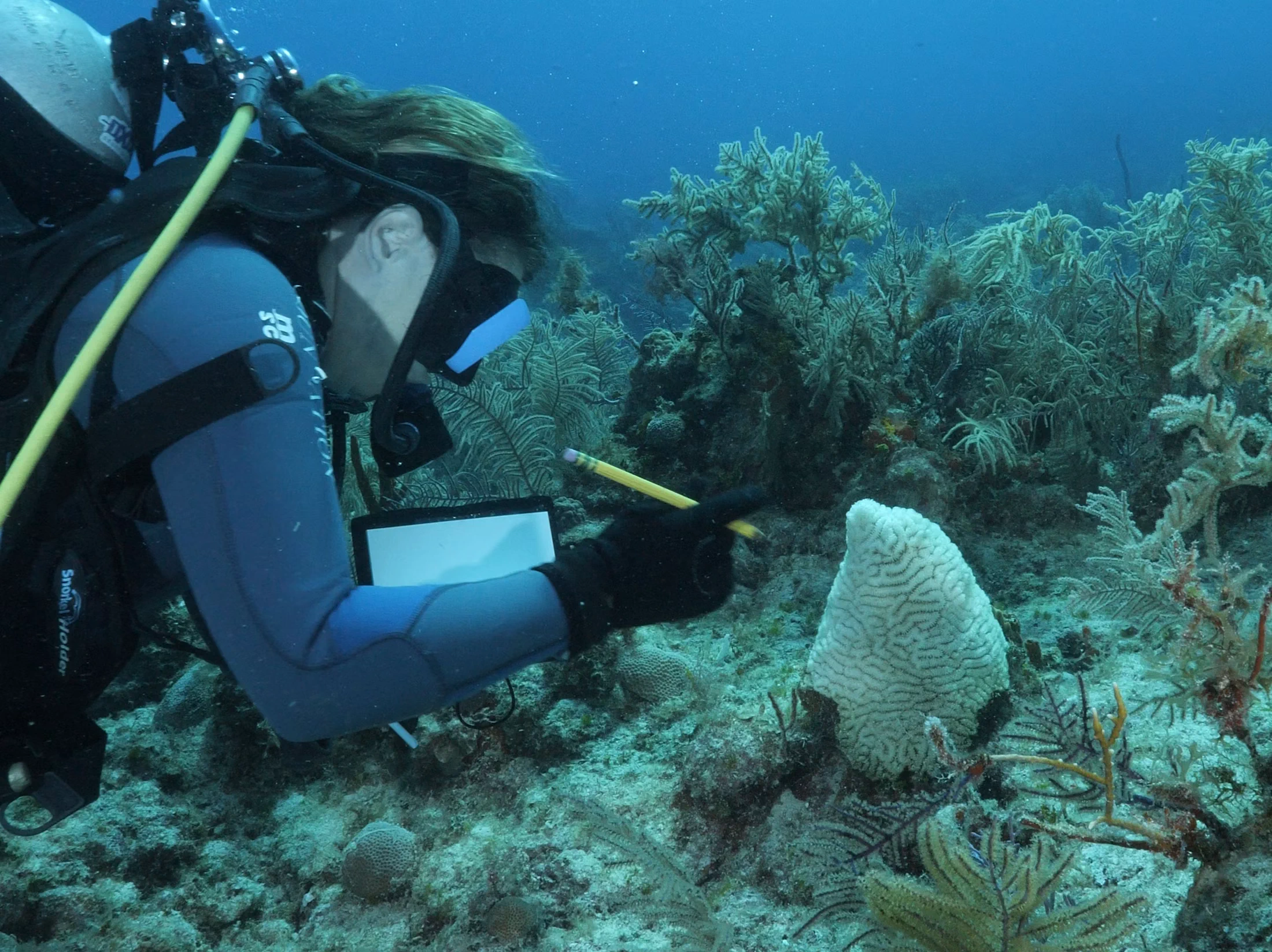
MSC Foundation is helping lead a regional effort to respond to a serious coral disease threatening reefs across the Caribbean, including areas near Ocean Cay MSC Marine Reserve.
The effort centers around Stony Coral Tissue Loss Disease, often shortened to SCTLD. It is one of the most serious coral diseases affecting reefs in the Caribbean, and it has been spreading across Florida, The Bahamas, and other parts of the region.
For MSC cruisers, this story matters because Ocean Cay is not just a beach stop. It is also part of MSC’s broader marine conservation work in The Bahamas. The island has become one of MSC Cruises’ signature destinations, but behind the beaches, lighthouse, and turquoise water is a larger environmental project focused on reef restoration and marine protection.
Now, MSC Foundation is drawing more attention to a major threat facing those reefs.
What Happened?
MSC Foundation recently convened a regional expert workshop in Miami focused on Stony Coral Tissue Loss Disease.
The workshop brought together more than 45 scientists, government representatives, conservation groups, and reef restoration partners from The Bahamas, Florida, and the wider Caribbean. The goal was to strengthen collaboration, share research, and coordinate a more science-based response to the disease.
The workshop was titled “Stony Coral Tissue Loss Disease: Partnering for Resilient Reefs.”
That may sound a little academic, but the issue is very real. Coral reefs are not just pretty underwater scenery. They support marine life, help protect coastlines, contribute to local fisheries, and are a major part of the tourism experience across the Caribbean and The Bahamas.
For cruise guests, healthy reefs are part of what makes destinations like Ocean Cay so special.
What Is Stony Coral Tissue Loss Disease?
Stony Coral Tissue Loss Disease is a fast-spreading disease that affects hard corals.
Unlike some coral issues that develop slowly or affect only a narrow range of species, SCTLD is especially concerning because it can move quickly across reefs and cause major damage. Since first being identified in Florida in 2014, it has spread across multiple countries and territories in the Caribbean.
The disease can cause coral tissue to die off, leaving behind the white skeleton of the coral. Once a reef is heavily affected, it can be much harder for that ecosystem to recover.
That is why scientists and conservation groups are treating this as an urgent regional problem, not just a local one.
Why Ocean Cay Is Part of the Story
MSC Foundation says the workshop was organized after increased signs of SCTLD were found on reefs near Ocean Cay during environmental assessments completed in 2025 in collaboration with Perry Institute for Marine Science.
According to MSC Foundation, the 2025 survey found that more than 10 percent of coral was affected at one site, with other sites showing lower but still present levels of disease. A similar 2019 survey had found no disease impact.
That is a meaningful change.
Ocean Cay MSC Marine Reserve has become a major part of MSC’s conservation messaging. The island was transformed from a former industrial sand extraction site into a private island destination, and MSC has continued to promote its work around coral restoration and marine protection.
This new coral disease response shows that conservation at Ocean Cay is not a one-and-done project. The marine environment keeps changing, and MSC Foundation is now part of a larger regional effort to respond.
What Experts Are Focusing On
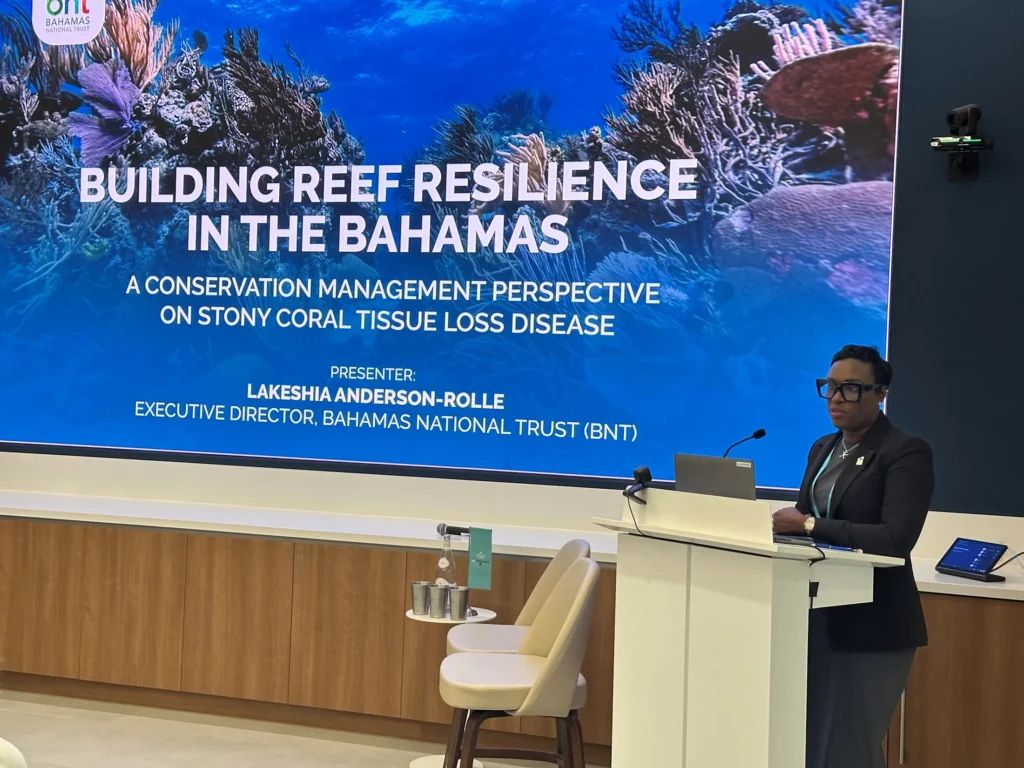
Participants at the workshop identified five main priorities for protecting Bahamian coral reefs:
- Building local conservation capacity
- Closing critical data gaps
- Strengthening national research collaboration
- Identifying reef interconnectivity
- Using integrated management approaches
In plain English, the goal is to make sure scientists, government agencies, and conservation groups are not working in isolation. Coral disease does not stop at national borders, so the response needs to be coordinated across regions.
That includes sharing data, tracking where the disease is spreading, studying which treatments are working, and helping local conservation teams respond more effectively.
What Is MSC Foundation Doing?
MSC Foundation is the philanthropic arm of MSC Group, and its Marine Conservation Center in The Bahamas is central to its Super Coral Reefs Programme.
As part of its work near Ocean Cay, MSC Foundation has supported monitoring and treatment efforts in partnership with Perry Institute for Marine Science and under permits issued by The Bahamas Department of Environmental Planning and Protection.
That treatment work is aimed at slowing disease progression and helping protect vulnerable coral colonies.
This is important because once coral disease becomes widespread, it becomes much harder to manage. Early detection, monitoring, and coordinated treatment can give reefs a better chance.
Why Cruise Guests Should Care
Most cruisers visit Ocean Cay for the beaches, the water, the lighthouse show, and the relaxed private-island feel. That is completely fair. It is a vacation, after all.
But part of what makes Ocean Cay beautiful is the marine environment surrounding it.
Healthy reefs help support fish, protect coastlines, and create the underwater ecosystems that make places like The Bahamas so special. Even if you never snorkel, dive, or take an eco-tour, the health of the ocean is still tied to the experience.
MSC’s work at Ocean Cay also gives the cruise line a chance to show that private island development can be connected to restoration and conservation, not just beach chairs and drink stations.
That does not mean every environmental challenge is solved. Coral disease is complex, and no single company or organization can fix it alone. But bringing regional experts together is a meaningful step.
Final Thoughts
MSC Foundation’s new coral disease workshop is not the kind of cruise news that comes with a new waterslide, restaurant, or ship announcement. But it may be more important in the long run.
Ocean Cay is one of MSC Cruises’ most recognizable destinations, and the reefs around The Bahamas face serious environmental pressure. By helping bring together scientists, government agencies, and conservation partners, MSC Foundation is putting more attention on a problem that affects the broader Caribbean marine ecosystem.
For MSC cruisers, the takeaway is simple: Ocean Cay is more than a private island beach day. It is also part of an ongoing marine conservation story.
And right now, protecting Caribbean coral reefs is a big part of that story.
