

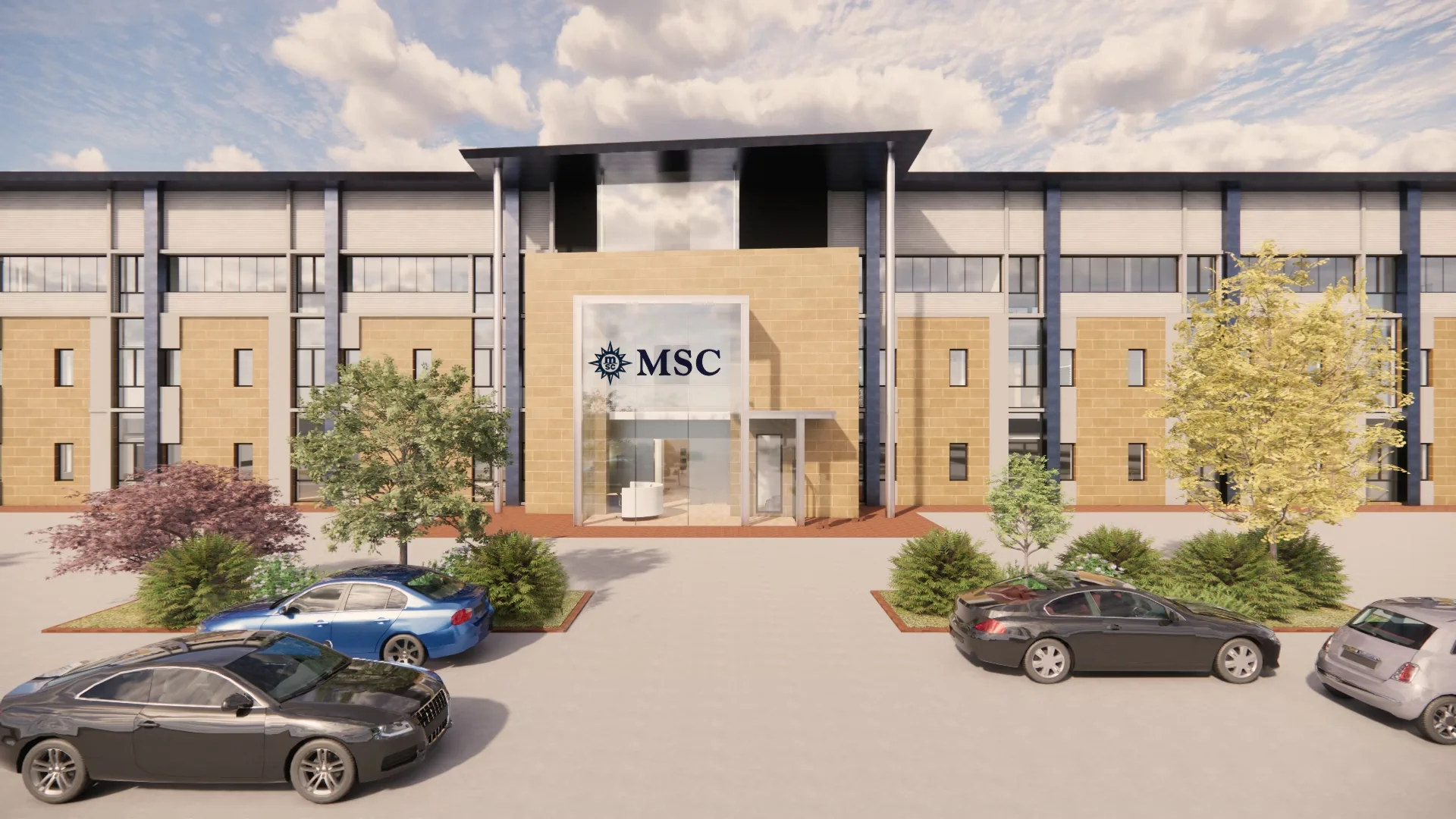
If you’ve spent any time on a cruise ship lately, you know that the days of “Vegas-lite” lounge acts and simple song-and-dance revues are quickly fading into the sunset. We’re currently living through a “arms race” in the cruise industry, where the battlefield isn’t just the size of the water slides or the number of specialty restaurants—it’s the stage. MSC Group just fired a major shot across the bow of its competitors with the announcement of MSC Creative Studios, a dedicated, state-of-the-art entertainment hub in the heart of Edinburgh, Scotland.
This isn’t just about renting some extra floor space for rehearsals. This is a multi-million-dollar investment in the brand’s creative soul. By the time the facility is fully operational in mid-2026, it will serve as the primary “think tank” for both MSC Cruises and their ultra-luxury brand, Explora Journeys. With 11 dance studios, six vocal suites, and even a dedicated space for high-flying aerial rehearsals, MSC is building a factory for “wow” moments. But to understand why they are doing this, you have to look at the high-stakes world of modern cruise entertainment.
The Entertainment “Difference Maker”
In the modern market, entertainment is no longer just a way to kill time between dinner and the casino; it is a primary driver for bookings. When people think of Royal Caribbean, for example, the first thing that often comes to mind isn’t just the size of the ship—it’s the AquaTheater. Those gravity-defying, high-diving spectacles on the Oasis-class ships are a massive competitive advantage. They offer something that simply cannot be found anywhere else on land or sea.
Every major cruise line is now desperately trying to find its own “AquaTheater”—that one signature experience that makes a guest choose their ship over a competitor. For years, the industry thought the answer was “Broadway.” If you could put a recognizable brand name like Jersey Boys or Grease on a ship, you had instant credibility. However, as the industry has matured, that strategy has started to show some serious cracks.
The “Broadway Gamble”: Lessons from Norwegian Cruise Line
Take Norwegian Cruise Line (NCL) as a prime example. For a long time, NCL was the king of “Broadway at Sea.” They brought in heavy hitters like Kinky Boots, SIX, and Choir of Man. It was a brilliant marketing move, but it came with an incredibly high price tag—and I’m not just talking about the licensing fees.
The relationship with Broadway has been “on-again, off-again” for a reason. First, there are the royalties. Every time the curtain goes up, a check goes out to the creators on land. Second, there are the logistics. Broadway shows often require specific, highly specialized casts that don’t always cross-train for other roles on the ship. These performers take up valuable crew cabins (berths) that could otherwise be used for revenue-generating staff or guests.
Recently, NCL has shifted away from some of these massive licensed productions in favor of shows that are more flexible and cost-effective. And their cruisers have had a mini-revolt as a big part of the reason they choose the line was changed for the worse. It was a lesson for the whole industry: relying on someone else’s IP is expensive and limits your ability to adapt.
MSC: Controlling the Destiny of the Stage
This brings us back to why MSC Creative Studios is such a brilliant strategic move. By setting up shop in Edinburgh—a global capital of culture and the arts—MSC is choosing to control its own destiny.
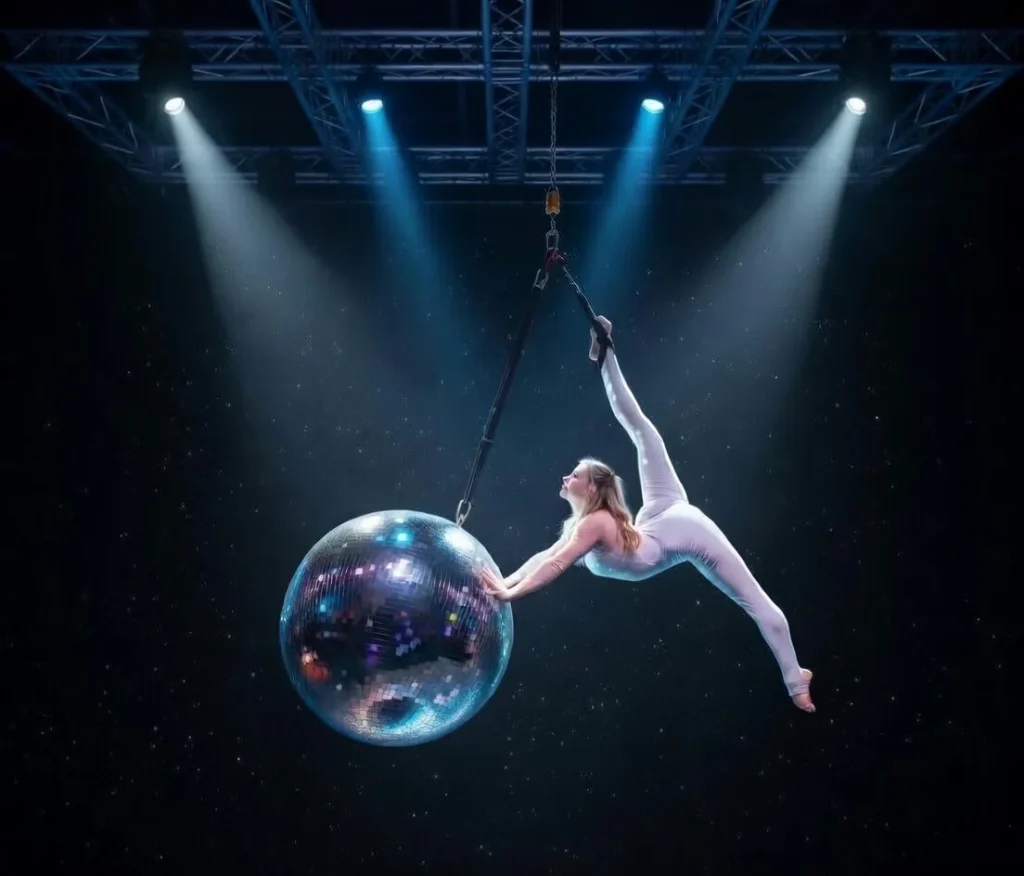
Instead of buying a “pre-packaged” show from an outside production company, MSC can now develop every concept, every costume, and every choreography in-house. This gives them total creative freedom to build shows that perfectly fit their unique ship designs. Think about the Carousel Lounges on the Meraviglia-class ships; those spaces are custom-built for a specific type of intimacy and technology. With their own studio, MSC can experiment with LED mapping, drone technology, and aerial stunts that are tailor-made for those specific venues.
More importantly, this move allows MSC to “level up” the quality of their shows without the ballooning costs of third-party contracts. When you own the rehearsal facility, you can ensure that every cast is “launch-ready” before they even see the ocean. This eliminates the “soft opening” phase where shows feel a little unpolished during the first few weeks of a new contract. By the time a performer steps onto an MSC ship, they’ve already mastered the production in a world-class environment.
Meeting the “New” Cruiser
At the end of the day, this investment is a response to the fact that cruiser expectations are evolving rapidly. The next generation of travelers—Millennials and Gen Z—aren’t satisfied with passive entertainment. They grew up with high-definition gaming, immersive theater like Sleep No More, and music festivals with incredible production value.
They want a “vibe,” not just a variety show. They want tech-forward storytelling that feels authentic and modern. By investing in its own creative hub, MSC is ensuring they have the infrastructure to meet those demands. They are betting that original, high-quality storytelling will be the key to winning over guests who are looking for something more than just a standard vacation.
MSC isn’t just building a rehearsal space in Scotland; they are building a competitive moat. They are ensuring that the entertainment on an MSC ship is something you can’t get anywhere else, all while keeping a firm grip on their bottom line. For the fans of the brand, this means one thing: the shows are about to get a whole lot better.
Looking for more recent news on MSC’s entertainment lineup? Check out the following articles:
